Don’t Let Your Docker Leak with These 2026 Container Security Tools
Don’t Let Your Docker Leak with These 2026 Container Security Tools
Why Container Security Is a Critical Gap in Modern DevOps
The best container security tools for DevOps 2026 are no longer optional — they’re the difference between catching a vulnerable image before deployment and cleaning up a breach at 2 AM.
Containers have transformed how teams build and ship software. But that speed comes with risk. A single misconfigured base image or unpatched dependency can propagate across dozens of services in minutes. In fact, research shows that 87% of container images carry high-severity or critical vulnerabilities — a sobering number for any DevSecOps team.
Here’s a quick look at the top container security tools to consider in 2026:
| Tool | Best For | Open Source | Key Strength |
|---|---|---|---|
| Trivy | Developers & CI/CD | Yes (free) | All-in-one scanner, easy to use |
| Falco | Runtime security | Yes (free) | Real-time eBPF-based detection |
| Grype | Fast image scanning | Yes (free) | Lightweight, accurate CVE matching |
| Snyk Container | Developer-first SCA | Freemium | IDE + CI integration, fix suggestions |
| Aqua Security | Enterprise CNAPP | No | Full lifecycle, runtime + compliance |
| Wiz | Multi-cloud posture | No | Agentless, CSPM + container scanning |
| Prisma Cloud | Kubernetes + cloud | No | Policy engine, broad compliance |
| Sysdig Secure | Runtime + forensics | No | Deep Kubernetes visibility |
| Anchore | Policy-as-code | Yes (free tier) | Compliance gates, SBOM generation |
| Docker Scout | Docker-native teams | Freemium | Base image lineage, registry integration |
Cloud misconfigurations remain one of the leading causes of data breaches — and container environments are no exception. The challenge isn’t just finding vulnerabilities. It’s prioritizing the ones that actually matter and acting on them fast inside a CI/CD pipeline that doesn’t slow your team down.
I’m Zezo Hafez, an AWS and Azure certified IT Manager with over 15 years of experience in cloud architecture and web security, and I’ve spent considerable time evaluating the best container security tools for DevOps 2026 across real-world multi-cloud and hybrid environments. In the sections below, I’ll break down exactly what separates a tool worth using from one that just adds noise to your pipeline.
The Evolution of the Best Container Security Tools for DevOps 2026
As we move through 2026, the way we think about container security has shifted from “scanning as an afterthought” to “security as code.” In the early days, we were happy just to find a stray CVE in a Debian base image. Today, the landscape is dominated by sophisticated supply chain attacks where over 10,000 malicious packages can be uploaded to public repositories in a single quarter.
Modern cloud-native architecture requires a “shift-left” approach. This means moving security checks as close to the developer’s IDE as possible. We are seeing a massive trend toward Zero-CVE base images. Why spend hours patching a bloated image when you can start with a clean slate? Tools like BuildSafe are leading this charge by using Nix to build minimal, reproducible base images that have zero known vulnerabilities out of the box.
Furthermore, we’ve learned that infrastructure is just as vulnerable as the code it runs. Misconfigured Kubernetes manifests or Terraform scripts are open doors for attackers. This is why integrating an Infrastructure Scanning Guide: Risk Mitigation into your workflow is essential. The goal for 2026 is clear: reduce the attack surface before the first line of code even hits a registry.
Top 10 Tools to Secure Your Containerized Infrastructure
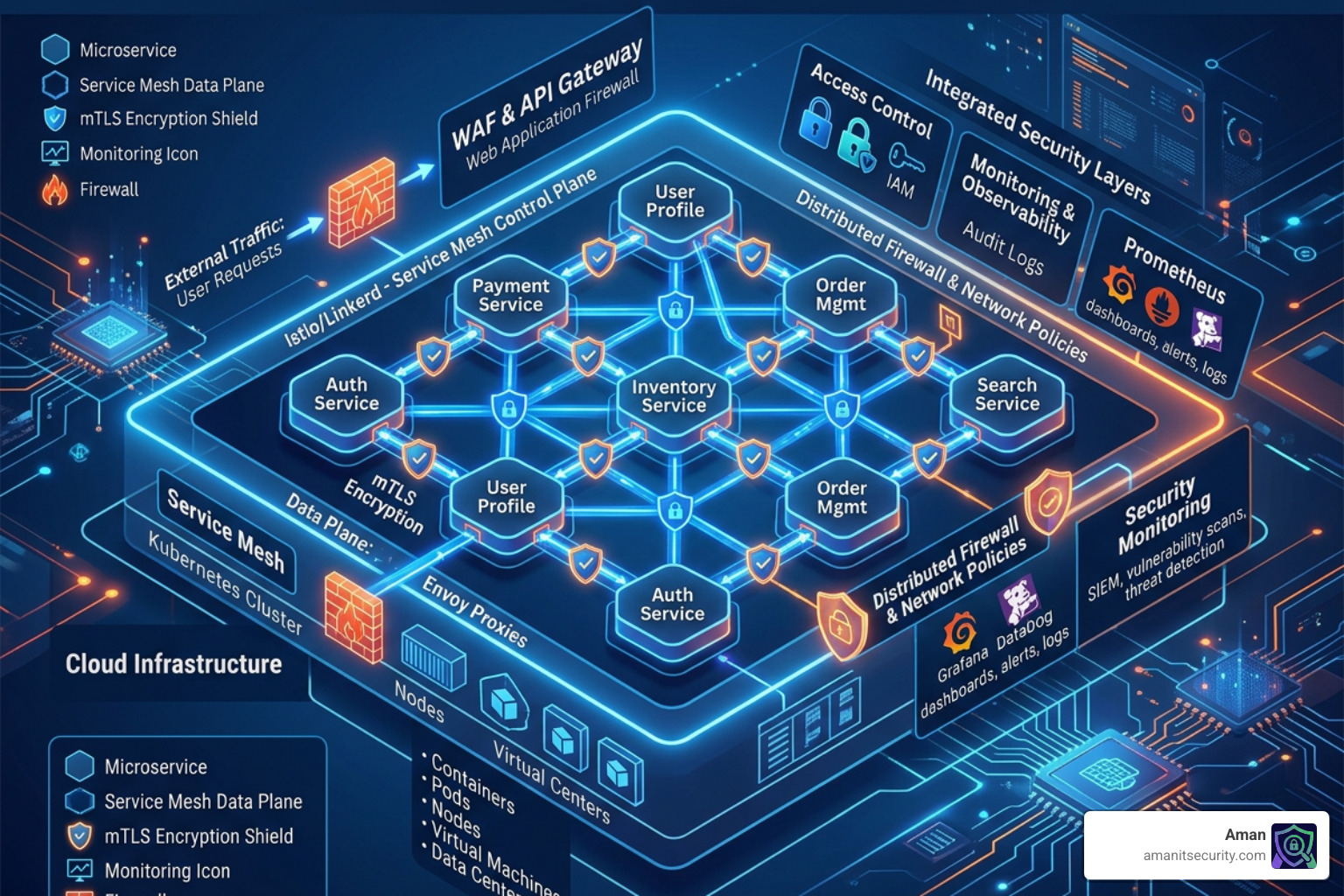
Selecting the right tool depends on your team’s size and the complexity of your environment. Startups might thrive on open-source flexibility, while Fortune 100 companies (over 40% of which trust Aqua Security) often require centralized enterprise platforms.
| Feature | Open-Source (Trivy/Grype) | Enterprise (Aqua/Wiz/Prisma) |
|---|---|---|
| Cost | Free | Significant Investment |
| Setup | CLI-based, instant | Platform integration, agent/agentless |
| Prioritization | Basic CVSS scores | Advanced Reachability Analysis |
| Compliance | Manual reporting | Automated CIS/NIST dashboards |
| Support | Community-driven | 24/7 Dedicated Support |
Comparing the Best Container Security Tools for DevOps 2026: Open-Source vs. Enterprise
- Trivy (Aqua Security): The undisputed heavyweight champion of open-source scanning. It’s a single binary that handles container images, filesystems, and Kubernetes clusters. Its versatility is legendary; you can find more details in the Trivy Documentation.
- Falco: If Trivy is your home security system, Falco is the live CCTV camera. It uses eBPF technology to watch system calls in real-time, alerting you if a container suddenly spawns a shell or modifies a sensitive file. Check out the Falco Runtime Security project for the de facto standard in threat detection.
- Grype (Anchore): A lightning-fast vulnerability scanner. It excels at matching CVEs across multiple operating systems and language-specific packages.
- Snyk Container: Highly loved by developers. It doesn’t just tell you what’s broken; it suggests the specific base image upgrade that will fix the most vulnerabilities with the least amount of breaking changes.
- Wiz: The “agentless” darling of the enterprise world. Wiz scans your entire cloud environment without requiring you to install software on every host, providing a “graph” view of how vulnerabilities, identities, and misconfigurations connect.
- Aqua Security: A pioneer in the space. Aqua provides full lifecycle protection, from the build stage to blocking unauthorized changes at runtime via “drift prevention.”
- Prisma Cloud (Palo Alto): A comprehensive CNAPP that combines the power of Bridgecrew (for IaC) with robust container workload protection.
- Sysdig Secure: Built on top of Falco, Sysdig adds an enterprise layer with deep forensics and Kubernetes-native security monitoring.
- Docker Scout: Integrated directly into Docker Desktop and Hub, making it the easiest “zero-config” option for teams already living in the Docker ecosystem.
- Anchore Enterprise: Focuses heavily on the “Software Bill of Materials” (SBOM) and policy-as-code, ensuring that only images meeting strict compliance gates can be deployed.
For those looking to build a budget-friendly but powerful stack, check out these 9 Open Source Cloud Security Tools You Need in 2026.
Selection Criteria for the Best Container Security Tools for DevOps 2026
When we evaluate these tools, we look at more than just a list of CVEs. In 2026, detection accuracy is table stakes. What matters now is:
- Reachability Analysis: Does the tool know if the vulnerable code is actually being executed? This can reduce alert noise by up to 80% by ignoring “theoretical” risks.
- SBOM Generation: Can it produce a high-quality Software Bill of Materials? This is becoming a legal requirement in many regulated industries.
- AI-Driven Prioritization: Tools that use AI to explain why a risk is critical and how to fix it are saving DevOps teams hundreds of hours.
- CI/CD Integration: If it doesn’t plug into GitHub Actions, GitLab, or Jenkins with a simple “fail-on-high” flag, it’s going to be ignored.
Automation is the key to sanity here. We recommend following The No-Stress Guide to Vulnerability Assessment Automation to ensure your security checks aren’t becoming a bottleneck.
Shift-Left: Integrating Security into CI/CD Pipelines
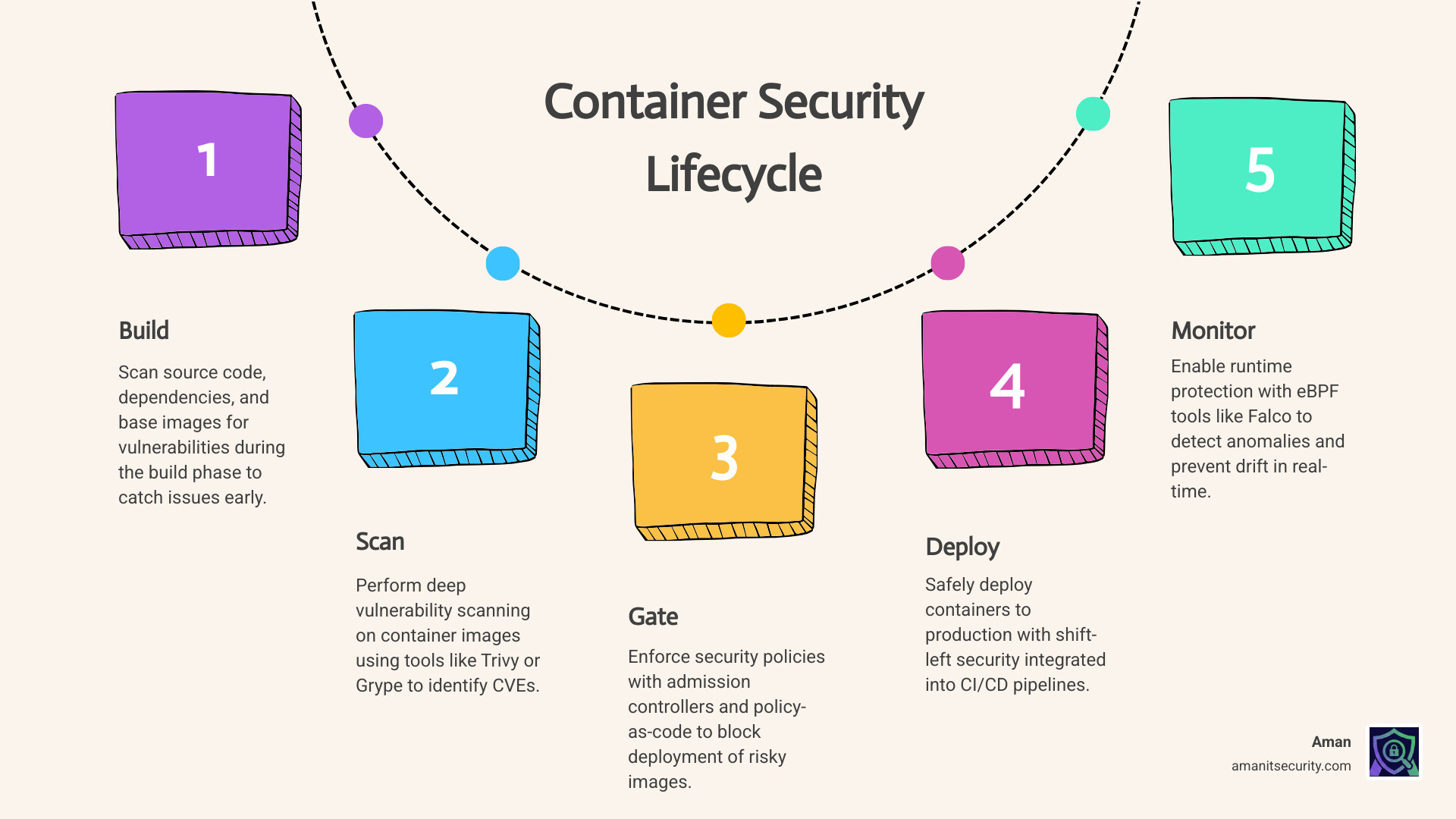
The goal of “shifting left” is to ensure that by the time a container reaches production, it has already passed several security “gates.” We don’t want to find a critical bug in a running cluster; we want to catch it when the developer opens a Pull Request.
Modern pipelines use tools like Dagger to write portable CI/CD logic in languages like Go or Python, making it easier to run the same security scans locally as you do in the cloud. By integrating scanners like Trivy or Snyk into GitHub Actions, you can automatically comment on PRs with fix suggestions.
Another critical component is the Admission Controller in Kubernetes. This acts as the final bouncer at the club. Even if a vulnerable image somehow makes it into your registry, an admission controller (like the one provided by ARMO or Kyverno) can block the pod from ever starting if it doesn’t meet your security policies. For a deep dive into setting up these workflows, see A Guide to Automating Your Vulnerability Management Workflow.
Advanced Protection: Runtime Security and Drift Detection
Static scanning (looking at the image) is only half the battle. Once a container is running, it’s a dynamic entity. Attackers often use “fileless” malware or exploit zero-day vulnerabilities that haven’t been added to CVE databases yet.
This is where Runtime Security comes in. Tools like Falco and Sysdig Secure use eBPF to monitor the “heartbeat” of your containers — the system calls. If a container that is supposed to be a simple web server suddenly starts scanning your internal network or downloading executable files, runtime protection can kill the container instantly.
Drift Detection is another 2026 essential. It ensures that the state of your running environment matches your Infrastructure as Code (IaC). If an engineer manually changes a security group in the AWS console at 2 AM, tools like Firefly or Aqua can detect that “drift” and alert the team or even auto-remediate the change. To keep your clusters hardened, we always suggest checking against CIS benchmarks using Infrastructure Vulnerability Assessment Tips: Essential.
Frequently Asked Questions about Container Security
How do I reduce alert fatigue in container scanning?
Alert fatigue is the number one killer of DevSecOps productivity. To fight it, we use Reachability Analysis. This technology looks at the application’s entry points to see if the vulnerable library is actually in the execution path. If a vulnerability exists in a library that is never called, it’s a low priority. Additionally, using tools that offer deduplication ensures you aren’t seeing the same bug reported 50 times across 50 different images.
What is the difference between static scanning and runtime protection?
Think of Static Scanning (like Trivy or Grype) as a background check. It looks at the “layers” of the container image before it’s hired to do a job. It finds known bad actors (CVEs). Runtime Protection (like Falco) is the security guard watching the employee while they work. It detects suspicious behavior in real-time. You need both: static scanning to prevent known risks, and runtime protection to catch the unknown ones.
Are open-source container scanners reliable for enterprise use?
Absolutely. In fact, many enterprise tools are actually “wrappers” around open-source engines. For example, Aqua Security’s commercial platform is built on the foundation of Trivy. The difference lies in the “extra” features: centralized dashboards, role-based access control (RBAC), and 24/7 support. Startups can go quite far with a DIY stack of Trivy, Falco, and Checkov, while larger organizations usually pay for the convenience and compliance reporting of an enterprise platform.
Conclusion
Securing your containers in 2026 requires a multi-layered strategy. You need to build secure base images, scan every layer in your CI/CD pipeline, and monitor your workloads in real-time for any signs of trouble.
At Aman Security, we understand that DevOps moves fast. That’s why we’ve built a platform that provides AI-powered automated penetration testing, SAST analysis, and infrastructure scanning that fits right into your existing workflows. Our tools are designed to be blazing-fast and comprehensive, giving you instant AI explanations and fix suggestions so you can spend less time triaging alerts and more time shipping code.
Don’t wait for a leak to become a flood. Secure your infrastructure with Aman Security today with our free, pro-grade scanning tools.
Secure Your Apps with Aman
Put these mitigation steps into practice. Get professional-grade vulnerability detection in one place.
Launch Your First Scan Now